






At Technoset, we pride ourselves on delivering ultra-high precision milled and turned components, utilising a wide range of materials to meet the diverse needs of our clients. Our commitment to quality is underscored by our AS9100 Rev D certification, ensuring that our processes meet the highest international standards. All our material supplies are fully traceable and highly approved, guaranteeing reliability and consistency for your critical projects.
This is why we have produced a detailed guide to the materials we expertly machine, highlighting their types, applications, and benefits.
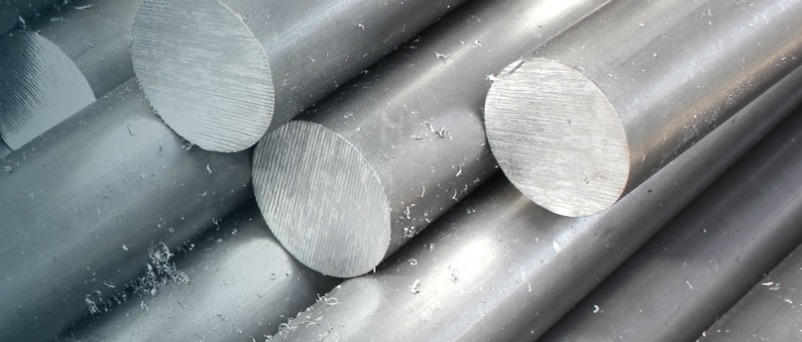
Aluminium is a lightweight, versatile metal known for its corrosion resistance and excellent thermal and electrical conductivity.
Technoset machines an extensive range of aluminium alloys, with the following alloys being the most common types. Please speak to a member of our team if you require information on a specific alloy.
Aluminium 6061 is a versatile heat-treatable alloy known for its excellent machinability, weldability, and strength. It has good corrosion resistance and exhibits good mechanical properties across a wide range of temperatures. This alloy is commonly used in structural applications, including aerospace components, marine fittings, and automotive parts.
Aluminium 6082 is a versatile alloy from the 6000 series, known for its medium strength and excellent corrosion resistance. It is often referred to as a structural alloy, owing to its high mechanical properties, which make it ideal for highly stressed applications such as trusses, bridges, cranes, and transport applications. The alloy’s primary alloying elements are magnesium and silicon, which contribute to its strength and formability.
Aluminium 7075 is a high-strength alloy known for its exceptional strength-to-weight ratio and toughness. It is often used in applications where high strength and light weight are critical, such as aircraft structures, aerospace components, and high-performance bicycles. 7075 aluminium also has good machinability and good resistance to stress corrosion cracking.
Overall, aluminium has a high strength-to-weight ratio, is easy to machine, has excellent corrosion resistance, has good thermal conductivity, and is recyclable. Aluminium alloys are also non-magnetic and provide good conductivity for heat and electricity.
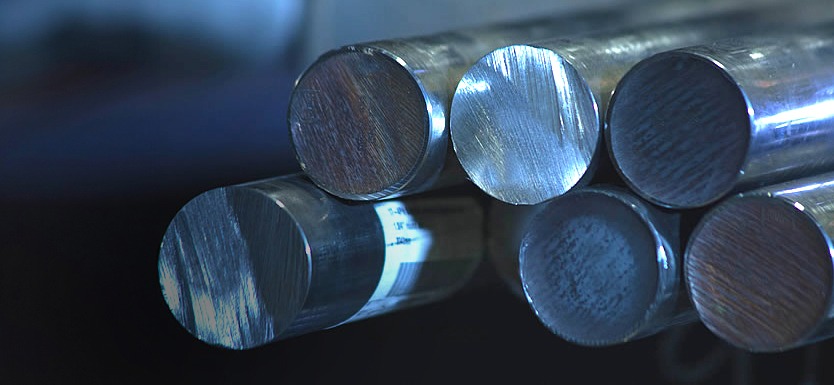
Steel alloys are iron-based materials with added elements to improve strength, hardness, toughness, and corrosion resistance.

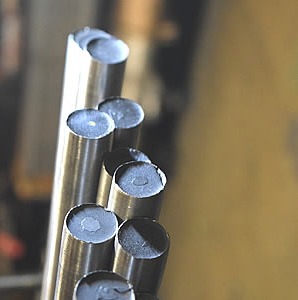
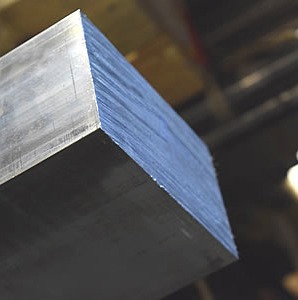
Technoset machines an extensive range of steel alloys, with the following alloys being the most common types. Please speak to a member of our team if you require information on a specific alloy.
303 stainless steel: Known for its excellent machinability, 303 stainless steel is an austenitic alloy containing sulphur to improve its machinability without significantly reducing its corrosion resistance. It is often used in manufacturing components requiring extensive machining.
304 stainless steel: The most widely used stainless steel, 304 is an austenitic alloy that offers a good balance of strength, corrosion resistance, and formability. It is used in a variety of applications, including kitchen equipment, piping, and automotive parts.
316 stainless steel: Another austenitic alloy, 316 stainless steel includes molybdenum, which enhances its resistance to corrosion, especially against chlorides and other industrial solvents. This makes it ideal for marine environments, chemical processing, and medical devices.
431 stainless steel: A martensitic stainless steel, 431 is characterised by high strength and toughness along with good corrosion resistance. It is often used in aerospace and automotive applications, particularly for parts that require high strength and moderate corrosion resistance.
15-5PH stainless steel: This is a precipitation-hardening martensitic stainless steel, known for its high strength, hardness, and moderate corrosion resistance. It is used in aerospace, chemical, and petrochemical industries, particularly where high mechanical properties are required.
Steel 17-4PH is a precipitation hardening stainless steel known for its combination of high strength, hardness, and corrosion resistance. It contains chromium, nickel, and copper as alloying elements, along with precipitation hardening agents. Steel 17-4PH achieves its properties through precipitation hardening after heat treatment, which improves its strength while maintaining good toughness and corrosion resistance. It is widely used in applications requiring high strength and corrosion resistance, such as aerospace components, medical implants, pump shafts, and offshore equipment. 17-4PH offers versatility in fabrication and can be machined and welded in the hardened condition.
Steel alloys have high strength, excellent toughness, good machinability, versatile applications, and good corrosion resistance (especially in stainless steels). Steel alloys can be heat treated to enhance their properties further.
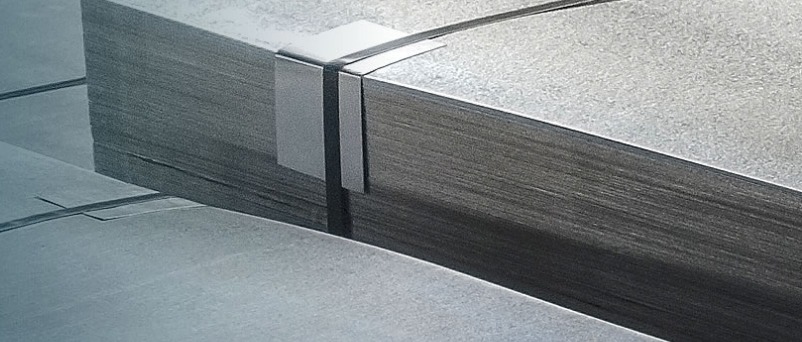
Nickel alloys are known for their high temperature and corrosion resistance, making them suitable for extreme environments and demanding applications.
Technoset machines an extensive range of nickel alloys, with the following alloys being the most common types . Please speak to a member of our team if you require information on a specific alloy.
Inconel 718 is a precipitation-hardening nickel-chromium alloy known for its exceptional high-temperature strength, corrosion resistance, and excellent weldability. It retains its mechanical properties at elevated temperatures up to 1300°F (704°C), making it suitable for use in aerospace applications, such as gas turbine engines, aircraft components, and rocket motors. Inconel 718 is also used in industrial applications where high strength and resistance to oxidation and corrosion are required under extreme conditions.
Monel 400 is a nickel-copper alloy known for its high strength and excellent corrosion resistance in a wide range of environments, including seawater and acidic conditions. It contains approximately 67% nickel and 30% copper, along with small amounts of iron and manganese. Monel 400 is valued for its resistance to stress corrosion cracking, good weldability, and high thermal conductivity. It is commonly used in marine applications, chemical processing equipment, valves, pumps, and heat exchangers where resistance to corrosion and erosion is critical.
Hastelloy C276 is a nickel-molybdenum-chromium alloy renowned for its exceptional corrosion resistance in a wide range of aggressive chemical environments. It offers excellent resistance to pitting, crevice corrosion, and stress corrosion cracking, even in oxidising and reducing conditions. Hastelloy C276 is used in chemical processing, pollution control, pulp and paper production, and industrial waste treatment. Its versatility, combined with high mechanical strength and thermal stability, makes it a preferred choice for applications where corrosion resistance is paramount.
Nickel alloys have a high temperature resistance, excellent corrosion resistance, high strength, durability, and oxidation resistance. They maintain their properties under extreme conditions, making them ideal for harsh environments.
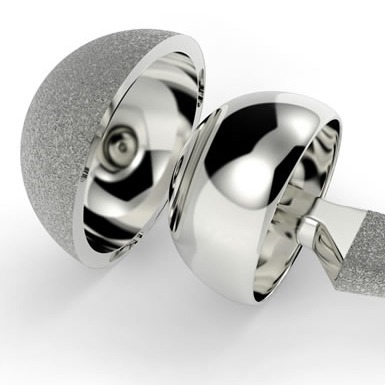
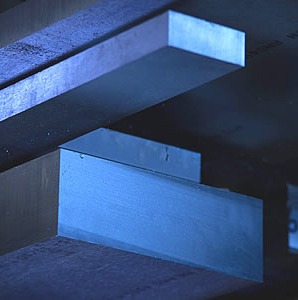
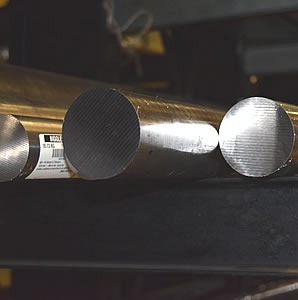
Titanium is a strong, lightweight metal known for its excellent corrosion resistance, high strength-to-weight ratio, and biocompatibility.
Titanium Grade 5, also known as Ti-6Al-4V, is a widely used titanium alloy known for its excellent strength, corrosion resistance, and biocompatibility. It consists of titanium alloyed with 6% aluminium and 4% vanadium. Ti-6Al-4V offers a good balance of properties, including high strength-to-weight ratio, good toughness, and heat resistance up to moderate temperatures. It is extensively used in aerospace applications, such as aircraft components, turbine blades, and structural parts, as well as in medical implants and marine applications.
Titanium Grade 2 is a commercially pure titanium alloy, containing primarily titanium with small amounts of oxygen and nitrogen. It is known for its excellent corrosion resistance, formability, and weldability. Grade 2 titanium exhibits good strength and toughness properties, combined with low density and high thermal conductivity. It is commonly used in applications requiring corrosion resistance, such as chemical processing equipment, marine hardware, medical implants (non-load bearing), and architectural structures. Grade 2 titanium is valued for its versatility, biocompatibility, and ability to be cold formed.
Titanium has a high strength-to-weight ratio, excellent corrosion resistance, biocompatibility, high fatigue resistance, and non-magnetic properties. Titanium alloys are also resistant to extreme temperatures and harsh environments.
Brass is an alloy of copper and zinc, known for its excellent machinability, corrosion resistance, and acoustic properties.
Technoset machines an extensive range of brass alloys, with the following alloys being the most common types. Please speak to a member of our team if you require information on a specific alloy.

Brass CZ121, also known as CW614N, is a highly versatile and widely used alloy within the family of brasses. It is characterised by its exceptional machinability, making it a preferred choice for high-speed manufacturing processes. The alloy consists primarily of copper and zinc, with a small percentage of lead added to enhance its machinability without significantly compromising its other mechanical properties. CZ121 brass exhibits good strength, corrosion resistance, and excellent thermal and electrical conductivity, making it suitable for a variety of applications, including precision engineering components, fittings, valves, and fasteners. Its combination of ease of machining and reliable performance makes Brass CZ121 a staple in both industrial and commercial sectors.
Brass CZ114 is a high-strength copper-zinc alloy known for its excellent machinability, good corrosion resistance, and impressive mechanical properties. This alloy, often referred to as a free-machining brass, is widely used in the manufacturing industry for producing components that require precision and durability, such as gears, valves, and fittings. The composition of CZ114 typically includes around 57-59% copper, with the remainder primarily zinc, along with small amounts of lead and iron to enhance its machinability and performance. Its combination of ease of fabrication and robust performance makes CZ114 a preferred choice in both engineering and decorative applications.
Brass CZ119, also known as CW119C, is a high-quality brass alloy renowned for its excellent machinability and good strength. Composed primarily of copper and zinc, it also contains a small percentage of lead, which enhances its machinability. This alloy is widely used in the manufacturing of precision components such as gears, valves, and fittings due to its superior mechanical properties and ease of fabrication.
In addition to its machinability, Brass CZ119 offers good corrosion resistance, making it suitable for use in a variety of industrial and commercial applications. Its combination of strength, durability, and ease of processing makes it a preferred material in the engineering and manufacturing sectors. Whether in the production of intricate components or in large-scale industrial applications, Brass CZ119 stands out as a reliable and versatile material choice.
Brass CZ131, also known as CW606N, is a high-quality alloy composed primarily of copper and zinc. Renowned for its exceptional machinability, CZ131 is widely used in precision engineering applications. The alloy’s excellent corrosion resistance and good strength make it ideal for the manufacture of intricate components such as gears, valves, and fittings. Its ability to undergo extensive cold working without compromising its mechanical properties further enhances its versatility in various industrial processes. Additionally, CZ131’s favourable response to brazing and soldering techniques facilitates its use in assembly operations, ensuring reliable and durable connections.
These descriptions highlight the key properties and typical applications of each brass alloy, emphasising their versatility and suitability for both functional and decorative purposes in various industries.
Brass has excellent machinability, good corrosion resistance, attractive appearance, antimicrobial properties, and good electrical conductivity. It is also durable and provides a low friction coefficient.

Bronze is an alloy primarily consisting of copper, often with tin, known for its hardness, wear resistance, and low friction properties.
Technoset machines an extensive range of bronze alloys, with the following alloys being the most common types. Please speak to a member of our team if you require information on a specific alloy.
Bronze C93200, also known as Bearing Bronze, is a high-strength alloy primarily composed of copper with tin as the main alloying element. It is recognised for its excellent wear resistance, high load-bearing capacity, and good machinability. Bearing Bronze is extensively used in applications requiring low friction, such as bushings, bearings, and machine components subject to heavy loads and moderate speeds. It offers good corrosion resistance and is known for its durability and long service life under challenging operating conditions.
Bronze C95400, known as Aluminium Bronze, is a strong copper alloy with aluminium as the principal alloying element, along with iron and nickel. Aluminium Bronze exhibits high strength, excellent corrosion resistance, and good wear resistance, especially in marine environments. It is prized for its ability to withstand corrosion from seawater, making it suitable for marine hardware, propeller shafts, pump components, and valve stems. Aluminium Bronze also offers good machinability and is known for its toughness and resistance to oxidation. These descriptions highlight the key properties and typical applications of each bronze alloy, showcasing their strength, durability, and suitability for demanding engineering applications where wear resistance and corrosion resistance are critical factors.

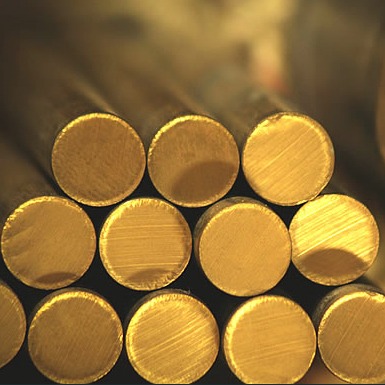

Bronze has a high wear resistance, good corrosion resistance, excellent machinability, low friction, and non-magnetic properties. Bronze alloys are also known for their robustness and longevity in demanding environments.
Copper is a highly conductive metal used in electrical and thermal applications, prized for its ductility and corrosion resistance.
Technoset machines an extensive range of copper alloys, with the following alloys being the most common types. Please speak to a member of our team if you require information on a specific alloy.
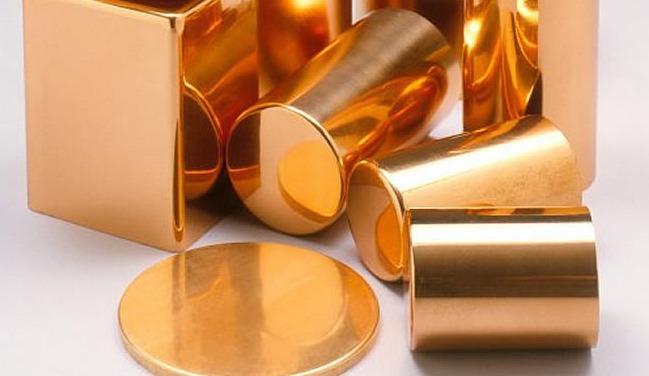
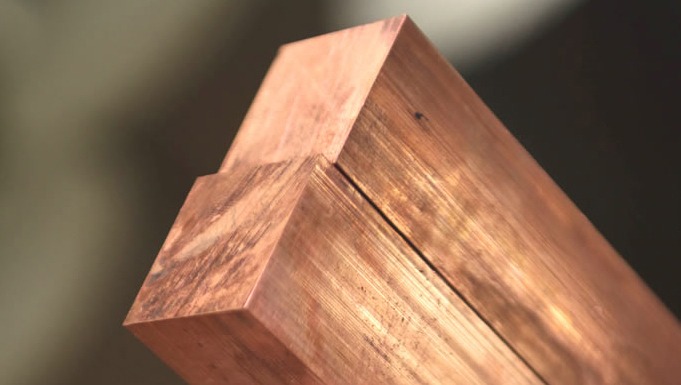
Copper C101, referred to as Oxygen-Free High Conductivity (OFHC) Copper, is a high-purity copper alloy with minimal oxygen content, ensuring superior electrical conductivity. OFHC Copper is characterised by its exceptional electrical and thermal conductivity, low oxygen content (less than 0.001%), and high ductility. It is widely used in applications demanding high electrical conductivity and where purity is essential, such as electrical contacts, microwave tubes, vacuum seals, and high-performance audio equipment. OFHC Copper is favoured for its low loss in electrical applications and reliability in demanding environments.
Copper C109 is a high-purity copper alloy with a small addition of tellurium, which enhances its machinability while retaining excellent electrical and thermal conductivity. This alloy is known for its good mechanical properties and ease of fabrication, making it ideal for applications requiring intricate machining, such as electrical components, contacts, and connectors. Its combination of high conductivity and improved machinability makes Copper C109 a preferred choice in industries like electronics and telecommunications.
Copper C110 (Oxygen Free), also known as electrolytic tough pitch (ETP) copper, is a high-purity copper grade renowned for its excellent electrical conductivity, which is second only to silver. This makes it a preferred material in various electrical applications. C110 copper is also notable for its good thermal conductivity, corrosion resistance, and workability. It is widely used in electrical wiring, cables, busbars, and other electrical components due to its ability to efficiently conduct electric current. Additionally, C110 copper is employed in plumbing and industrial machinery, reflecting its versatility and reliability in both electrical and non-electrical applications.
These descriptions highlight the key properties and typical applications of each copper alloy, emphasising their superior electrical conductivity, ductility, and suitability for various critical applications in electrical engineering and telecommunications.
Copper has excellent electrical and thermal conductivity, good corrosion resistance, ductility, antimicrobial properties, and ease of fabrication. It is also highly recyclable, making it an environmentally friendly choice.

Beryllium copper is a copper alloy with beryllium, known for its high strength, hardness, and excellent electrical conductivity.
Regulatory compliance: Due to the toxicity of beryllium, there are strict regulatory guidelines and exposure limits set by occupational safety organisations such as OSHA (Occupational Safety and Health Administration) and NIOSH (National Institute for Occupational Safety and Health). Technoset implements comprehensive safety measures to limit worker exposure.
Technoset machines an extensive range of beryllium copper, with the following alloys being the most common types. Please speak to a member of our team if you require information on a specific alloy.
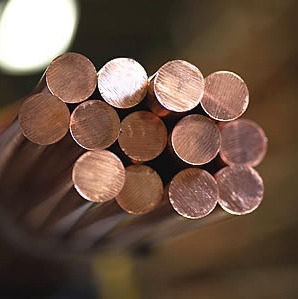


Beryllium Copper C17200, also known as Alloy 25, is a high-strength copper alloy with beryllium as the primary alloying element. It offers exceptional strength, hardness, and electrical conductivity, along with good thermal conductivity. Alloy 25 is renowned for its excellent forming and machining properties, making it ideal for applications requiring high mechanical properties and electrical conductivity, such as electrical connectors, springs, and precision instruments. It also exhibits non-sparking characteristics, making it suitable for use in environments where sparking is a concern.
Beryllium Copper C17300, known as Alloy M25, is another high-strength copper alloy containing beryllium. It offers similar properties to C17200, including high strength, hardness, and electrical conductivity. Alloy M25 is specifically designed to provide improved wear resistance and thermal conductivity compared to other beryllium copper alloys. It is commonly used in applications requiring high mechanical strength combined with good wear resistance, such as aerospace components, non-sparking tools, and high-performance springs.
These descriptions highlight the key properties and typical applications of each beryllium copper alloy, showcasing their suitability for various demanding engineering applications where strength, conductivity, and reliability are crucial.
Beryllium copper has high strength and hardness, good electrical and thermal conductivity, non-sparking properties, and excellent fatigue resistance. This alloy also resists galling and has good machinability.
Engineering plastics are a group of plastic materials with superior mechanical, thermal, and chemical properties, designed for demanding applications.
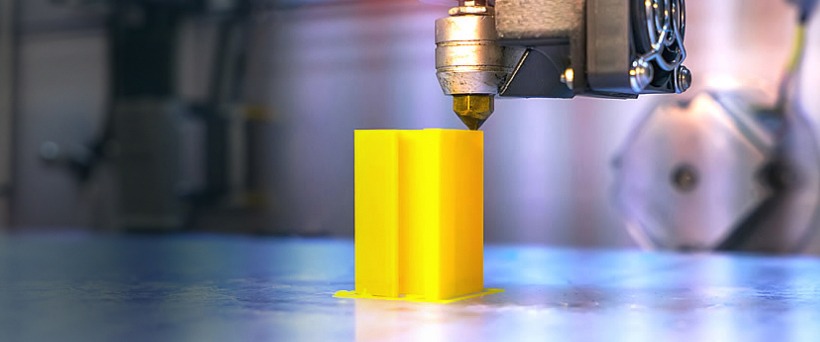
Technoset machines an extensive range of plastics, with the following alloys being the most common types. Please speak to a member of our team if you require information on a specific alloy.
PEEK is a high-performance thermoplastic known for its excellent mechanical properties and chemical resistance. It exhibits high temperature resistance (up to 260°C), exceptional dimensional stability, and resistance to abrasion and fatigue. PEEK is widely used in demanding applications such as aerospace, automotive, medical implants, and semiconductor industries where strength, stiffness, and thermal performance are critical.
Nylon is a versatile thermoplastic known for its high strength, toughness, and wear resistance. It has good chemical resistance, low friction coefficient, and excellent dimensional stability. Nylon is used in a wide range of applications including automotive components, electrical insulators, consumer goods, and industrial machinery parts where durability and impact resistance are required.
Acetal, also known as Polyoxymethylene (POM), is a strong and rigid thermoplastic with good dimensional stability and low friction coefficient. It exhibits high mechanical strength, excellent fatigue resistance, and good creep resistance. Acetal is used in precision parts, gears, bearings, and medical devices due to its high stiffness, low moisture absorption, and resistance to solvents and fuels.
These descriptions highlight the key properties and typical applications of each plastic type, demonstrating their versatility and suitability for various industrial and engineering applications where specific material properties are crucial.
Plastic offers high strength-to-weight ratio, excellent wear resistance, low friction, chemical resistance, and thermal stability. These materials can also be lightweight, reducing overall product weight while maintaining structural integrity.
Quality is the cornerstone of Technoset’s operations. We are ISO 9001 and AS9100 certified, ensuring that our processes and products meet the highest international standards. Our rigorous quality control measures include in-process inspections, final inspections, and comprehensive testing to guarantee that every component we produce is flawless.
When you choose Technoset, you are choosing peace of mind knowing that your components are manufactured to the highest standards of precision and reliability.
Are you ready to take your engineering projects to the next level? Discover the difference that Technoset can make. With our unparalleled precision, innovative solutions, and unwavering commitment to quality, we are the partner you need to stay ahead of the competition.
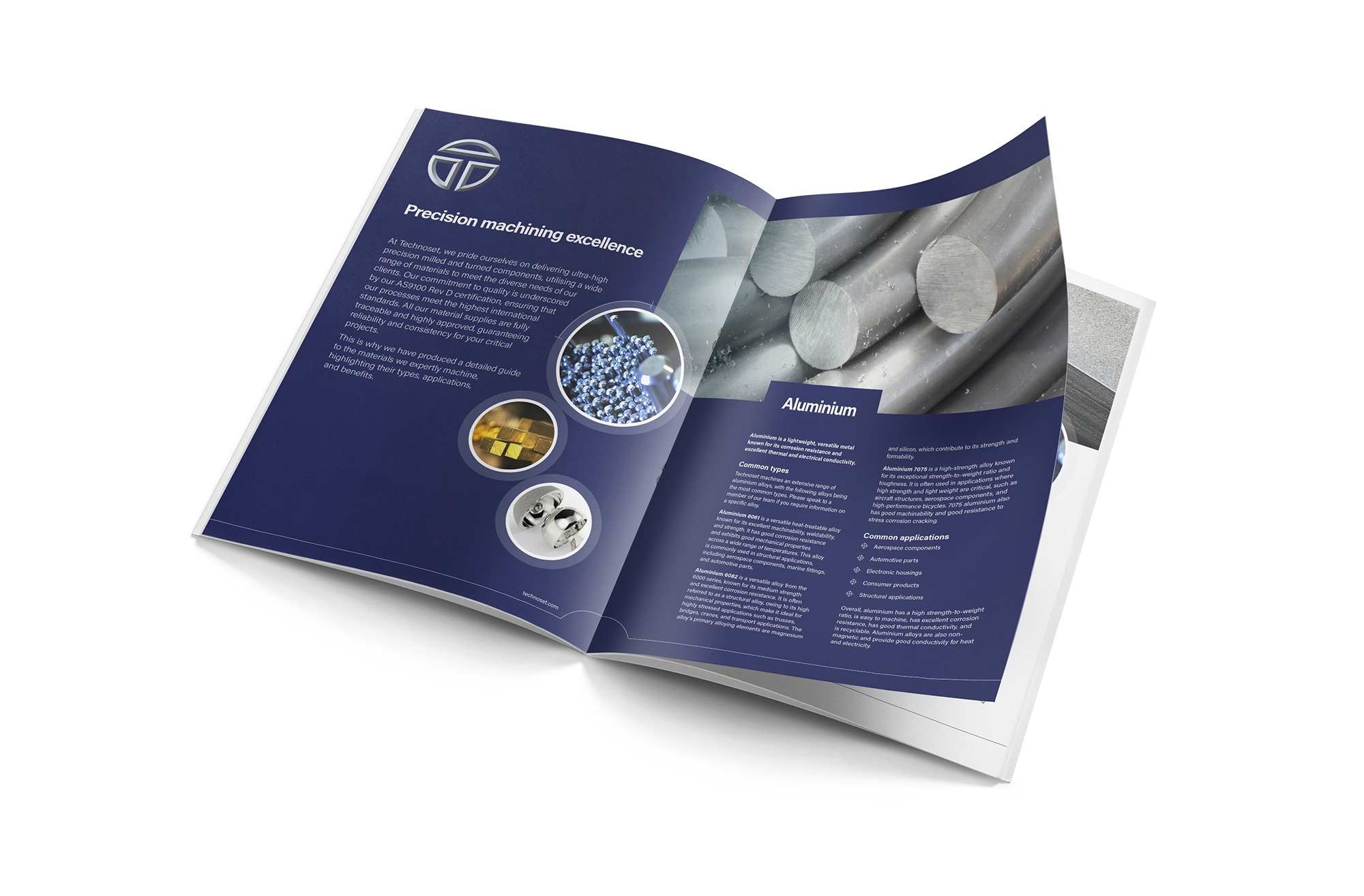
Download this essential materials guide and understand the materials and their capabilities for your next engineering project.
If you would like to find out more about any of our services, please fill out the form below and a member of our team will get back to you shortly.